Day 108, October 12, 2009 from Oscar (my translation)

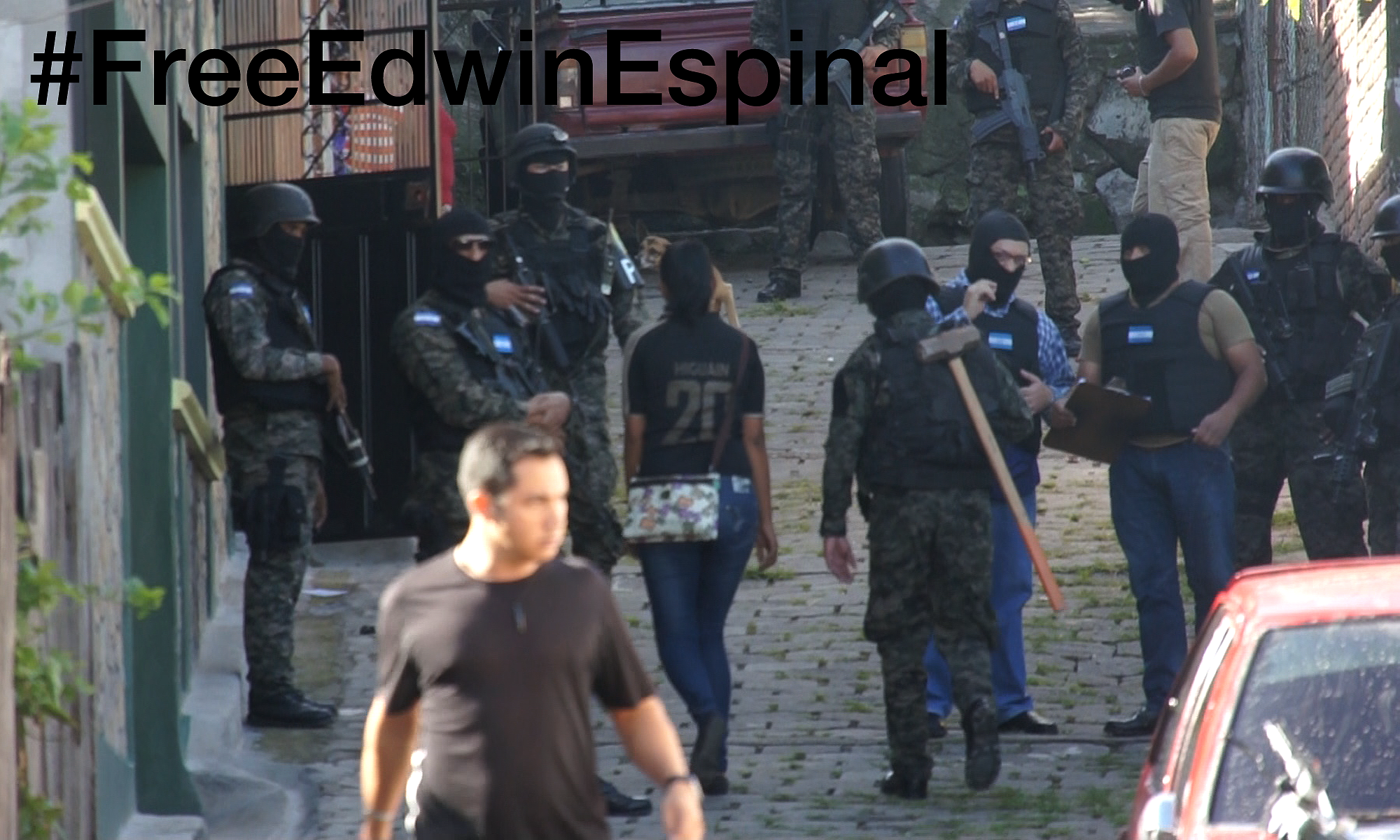
The Honduran resistance against the coup d'etat continues to be active, even if it has suffered a strong blow from the most recent actions of the regime. The executive decree declaring the state of siege issued at the end of September remains in place despite the media show put on by the dictatorship announcing, days before the arrival of the OAS commission and as a supposed show of goodwill toward dialogue, that they would repeal the controversial decree. Nonetheless this was never published in the official legal newsletter of the government, La Gaceta, and as soon as the commission of foreign ministers left, the dictatorship issued another decree further strengthening the previous gag order, authorizing and ordering CONATEL to permanently suspend the operating licenses of Radio Globo and Canal 36. And so, the marches are still prohibited (as long as they are over 20 people), each action of the Front is forcefully repressed by the police and the army who give no respite to protesters, our media is still shut down and Micheletti rejects Insulza's request that he improve Zelaya's living conditions inside the Brazilian embassy.

The coup media continues broadcasting news in which they falsify interviews with leaders of the resistance front who, according to the media's claims, inform the population that the actions of the resistance have ended, that they have split apart due to differences with Manuel Zelaya or that they have decided to participate in the elections as the only solution to the crisis.

The mainstream media exert an enormous effort to create a sense of defeat surrounding our struggle and in order to maintain this sense they have to keep the people uninformed. As a result it is unlikely that in the near future the radio frequencies of the resistance return to the air. We all know the power that Radio Globo has to raise our morale and, aware of this, communities are seeking to create alternatives to the disinformation. Loudspeakers transmitting the Radio Globo broadcast streaming from the internet, cell phone messages, or face to face communication have substituted the mass media. Radio Gualcho, at 1510 AM, has been converted into a relay signal for Globo as have many radio stations throughout the country. However, this remains insufficient and spread out; each act of resistance is disconnected from all the others around the country.

The neighborhoods have been converted into a sort of rear-guard for the mobilization of the resistance, having found in these communities a somewhat safer space that the police and military are afraid to enter. The rallies in El Pedregal, La Kennedy and El Hato have managed to gather a good number of protesters and, in contrast to the protests carried out on the commercial avenues, the police repression is less effective despite the armed presence of riot police.

The conversations between the [official] commissions continue without reaching an agreement on point 6 of the Plan San José: the return of Mel Zelaya to the presidency remains at the center of the controversy. Both sides have made clear that they have no plans to change their stance on the issue. "Mel Zelaya will not return to the presidency," Micheletti said to the representatives of the OAS, and insists that he was legally replaced and the most he will agree to accept is a third party, which, of course, his side would choose.

Juan Barahona, leader of the resistance, delivered a detailed report to the assembly yesterday, Sunday, in which he laid out the details of the conversations and made clear his lack of trust in the willingness of the regime to leave power. "They are trying to buy time," he said, "their plan is to make it to the elections at whatever cost and if the elections do not occur, to remain in power as long as they can."

The cost of the elections could be very high for the dictatorship. The resistance assures that they will not recognize them, and that they will do whatever it takes to prevent them from occurring. Foreseeing this, the National Congress has increased the penalties for electoral crimes. The Ministry of Education has announced the school year will end on October 15th, six weeks before the elections, with the intent of demobilizing the teachers' union after failing to crush them through persecution and the intense smear campaign against the teachers. The teachers, for their part, is ignoring the authority of the Ministry of Education, and has announced that they will continue holding classes until December 17th.

With the position of the teachers in resistance, refusing to suspend classes, the call of the resistance to not recognize the November elections and the desperate project of the dictatorship there is only one possible path: violence.

The government will need to militarize the elementary and high schools throughout the whole country to ensure the safety of the ballots. The resistance will confront that militarization with boycott actions, facing which, the dictatorship will only be able to respond with a continued state of siege. The state of siege, in turn, will mine the terrain of the electoral campaign, further complicating the panorama of the oligarchy's project that, as time goes on, only continues to shoot itself in the foot.

¡NO PASARÁN!

Original:

Día ciento ocho, 12 de octubre 2009

La resistencia hondureña en contra del golpe de estado continua activa, si bien ha sido fuertemente golpeada con las últimas acciones del régimen. El decreto ejecutivo que declaró el estado de sitio a finales de septiembre sigue vigente pese al show mediático creado por la dictadura anunciando, días antes de la llegada de la comisión de la OEA y como supuesta muestra de buena voluntad para el diálogo, que había de derogarse el polémico decreto. Sin embargo este nunca se publicó en el diario oficial La Gaceta y tan pronto partió la comisión de cancilleres se promulgó otro decreto reforzando aún más la anterior mordaza, autorizando a CONATEL la suspensión definitiva de licencias para la explotación de las frecuencias de Radio Globo y Canal 36. Así, las marchas siguen prohibidas (siempre que sean más de veinte personas), cada acción del frente es duramente reprimida por la policía y el ejército que no dan tregua a los manifestantes, nuestros medios continúan cerrados y Micheletti rechaza la petición de Insulza de mejorar las condiciones de vida con que se encuentra el presidente Zelaya al interior de la embajada brasileña.

Los medios golpistas continúan presentando noticias en donde falsifican entrevistas con dirigentes del frente de resistencia quienes, según las supuestas notas, informan a la población que las acciones de la resistencia han terminado, que se separan por diferencias con Manuel Zelaya o que han decidido participar en las elecciones como única solución a la crisis.

Los medios dominantes realizan un enorme esfuerzo por crear la sensación de derrota en nuestra lucha y para mantener esa sensación deben mantener al pueblo desinformado. Resulta por eso improbable que en el futuro cercano vuelvan al aire las frecuencias de la resistencia, todos sabemos el poder que tiene radio Globo para de aumentarnos la moral y conscientes de eso, las comunidades buscan crear alternativas a la desinformación. Alto parlantes transmitiendo la señal de radio globo bajada desde el internet, mensajes por celular, o el boca a boca ha sustituido los medios masivos. Radio Gualcho, en el 1510 AM, se ha convertido en antena repetidora de la señal de Globo y como ella, muchas radios más del interior. Sin embargo, continúa siendo insuficiente y disperso; cada actividad de resistencia se hace desconectada de las demás alrededor del país.

Los barrios se han convertido en una especie de retaguardia de la movilizaciones de la resistencia que han encontrado en las comunidades el espacio un poco más seguro en donde la policía y los militares temen entrar. Las concentraciones de El Pedregal, La Kennedy y El Hato han logrado acumular un buen número de manifestantes y, a diferencia de las que se realizan en las avenidas comerciales, la represión policial es menos efectiva pese a la presencia armada de los antimotines.

Las conversaciones entre las comisiones continúan sin lograr un acuerdo alrededor del punto 6 del plan San José: La restitución de Mel Zelaya en la presidencia sigue siendo el centro de la polémica. Ambos bandos han manifestado en sus propios espacios que no piensan cambiar postura en dicho punto. “Mel Zelaya no volverá a la presidencia”, dijo Micheletti frente a los cancilleres de la OEA, e insiste que fue suplantado legalmente y lo más que puede aceptar es una tercera persona que claro está, ellos escogerían.

Juan Barahona, líder de la resistencia, entregó un detallado informe a la asamblea de ayer domingo en el cual dejó conocer los pormenores de las conversaciones y manifestó su desconfianza en cuanto a la voluntad del régimen de dejar el poder. "Están buscando ganar tiempo", dijo, "su proyecto es llegar a las elecciones a costa de lo que sea y si estas no se dan, quedarse en el poder todo el tiempo que puedan".

El costo de las elecciones puede ser muy alto para la dictadura. La resistencia asegura no reconocerá las mismas y hará lo que sea necesario para evitar que transcurran. Previniendo eso el Congreso Nacional ha endurecido las penas a los delitos electorales. La secretaría de Educación ha clausurado el año académico a partir del próximo 15 de octubre, seis semanas antes de las elecciones, con la intención de desmovilizar al gremio magisterial luego que no lograron doblegarlo con la persecución y la intensa campaña de desprestigio en contra de los maestros. El magisterio, por su parte, desconoce la autoridad de la Secretaría de Educación y avisa que continuarán en clases hasta el 17 de diciembre.

Ante la posición del magisterio en resistencia de no suspender las clases, la convocatoria del frente de no reconocer las elecciones de noviembre y el desesperado proyecto de la dictadura solo hay un camino posible: la violencia.

El gobierno necesitará militarizar las escuelas y colegios de todo el país para asegurar las urnas. La resistencia confrontará dicha militarización con acciones de boicot ante las cuales la dictadura solo podrá hacer frente con la continuación del estado de sitio. El estado de sitio, a su vez, minará el terreno de la campaña electoral complicando aún más el panorama del proyecto de la oligarquía que conforme pasa el tiempo se muerde su propia cola.

¡NO PASARÁN!